
How to Lower Pain and Inflammation Through Food
Our bodies in their natural state are pain free. When we were younger we moved around freely, recovered quickly and didn’t wake up wondering why our necks hurt. We were barely even aware of our bodies. Then little by little, something changed. Those aches and pains weren’t just from a big hike, or a day at the gym. Symptoms built up without us noticing.
A stiff neck became the status quo, a daily occurrence. Your feet hurt every day when walking the dog. You’ve had a headache every day for a month and you don’t know why. It slowly creeps up on us with symptom stacking on top of symptom to the point that we aren’t even sure how we got here.
What if through food, we could get back to a pain-free state? Whether its by what we add in, or what we take away. One of the most powerful tools we have is the ability to restore balance, through our kitchen.
Pain Is a Symptom—Not the Root Cause
It's easy to treat pain with medication. If you have a headache, taking ibuprofen or acetaminophen can help you get through the day. But the more important question is:
Why did the headache happen in the first place?
You can be so used to having pain that you don’t know what is it like to not have it. And you may be taking a lot of supplements or drugs to mask the symptoms. So, to truly help remove pain and inflammation, we need to get to the root cause. Not just mask symptoms.
The Truth is, Pain is Your Body’s Alarm System
Sometimes the cause is obvious—an injury or illness. But chronic inflammation often develops because of everyday stressors that slowly overwhelm the body.
Our body is always working towards homeostasis or balance. Our blood sugar needs to be just the right balance, our digestive system is breaking down food to give our cells the building blocks it needs. Every organ, every cell has a job to do. When the stress our body is taking on gets too much, that is when systems break down, and symptoms start to appear. Those stressors may include:
Big events like an illness or injury
Environmental toxins
Highly processed foods, bad oils
Excess sugar
Foods we are reactive to, could be a food allergy or sensitivity
Poor digestion
Lack of movement and access to fresh air and sunlight
Unmanaged chronic stress
Lack of sleep - this is when our body goes into repair mode, if it can’t repair, then it never gets to reset
The Body Speaks in Symptoms
Gut issues like bloating and bowel changes, headaches, skin rashes, a runny nose, are just some of the signs from your body that something is wrong. These symptoms can come about for many reasons, including from food. Support your body and give it what it needs and you can lessen those symptoms, instead of just manage them.
Instead of simply managing symptoms, ask: "What can I change that will allow my body to heal?"
Could the Food You're Eating Be Causing Your Pain?
One of the biggest surprises many of my clients discover is that the feel much better when they change up their diet. They don’t believe that so much of their joint pain is being caused by foods they’ve eaten for years.
In my experience, the two foods that are most commonly creating problems are:
Gluten
Dairy
These are the foods that when we took them out of their diet, my clients all started to feel better. The other foods that are high on the allergen list are: egg, peanut, shellfish, corn, soy and sesame (according to FARE). This does not mean you might have a problem with these foods, but if you are going to begin a discovery of determining if any of the foods you are eating are causing you issues, this is the list of foods to start with.
Don’t think about this as what you are taking away, or as deprivation. Think about it as an exploration into what is going to make your overall body feel better. Get curious and investigate what might be causing you pain.
The gold standard for determining which foods you can’t tolerate is to do an Elimination Diet. You can learn more about what is entailed here.
How to Lower Pain & Inflammation Through Food
Instead of trying to overhaul everything overnight, I encourage clients to work through three simple phases.
Step 1 - Remove the foods that create the biggest inflammatory burden.
The foods that your body is reactive to (You likely have an idea already of what those are.)
Highly processed, inflammatory foods like sugar and refined oils
Sugar, gluten, dairy, soda
Removing inflammatory foods allows your immune system to calm down and gives your digestive tract an opportunity to recover. I call this the “remove” phase, but it’s really a rest phase for your digestion and gives your body the break it needs from added stress.
Step 2 - Add in foods that help your body heal
Healing isn’t only about what you remove, it’s also about bringing in more healthy, vibrant foods that support digestion and lower inflammation.
Introduce berries - full of antioxidants
Eat gut healing foods like bone broth, gelatin and collagen
Leafy greens and colorful vegetables
Wild fish and avocados- for their levels of healthy fats
Use inflammation lowering ingredients like turmeric
The more color you can naturally add to your plate, the more antioxidants you're giving your body to help calm inflammation.
Step 3 - Support the rest of your healing
Do a symptom check. What has changed since you started? What symptoms haven’t reduced or gone away. Now it’s time to determine what else you need to improve on. Food is only one part of the puzzle, your body also may need:
Restorative sleep - what about your sleep can you improve on
Stress management
Daily Movement
Hydration - are you drinking enough water every day
Digestion - how is your digestion working, are you breaking down your foods well and does your belly feel light and calm when you eat.
Heal Instead of Simply Managing Pain
If you've been living with chronic aches, stiffness, headaches, digestive issues, or fatigue, know this: Your symptoms aren't something you simply have to accept.
Small, consistent changes in how you cook and eat can dramatically reduce inflammation over time. When you remove what creates inflammation and consistently nourish your body with whole, anti-inflammatory foods, you're creating an environment where healing becomes possible.
That's the real goal—not just managing pain, but helping your body return to the healthy balance it was designed for.
Related Posts:
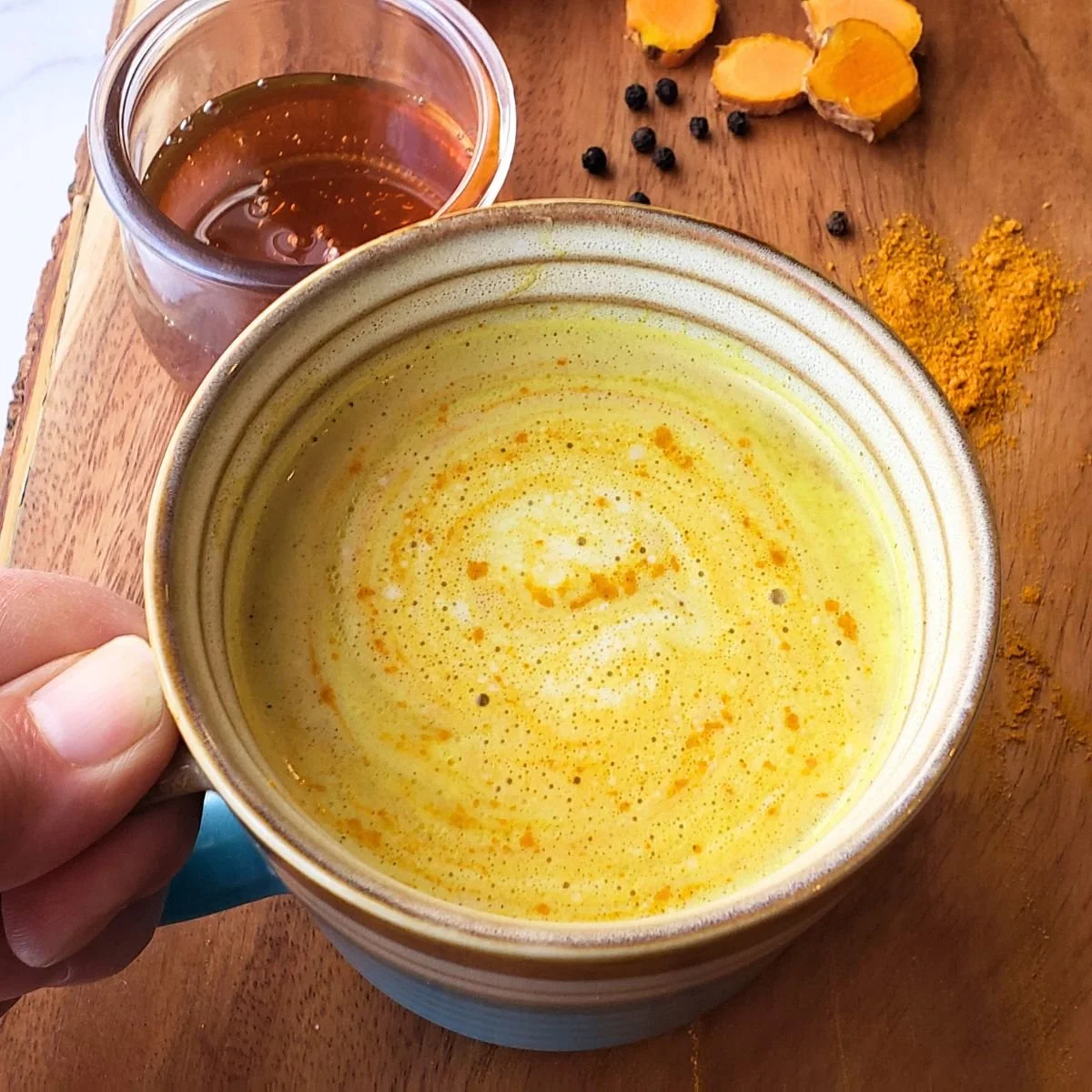
Golden Turmeric Latte
Drink that anti inflammatory turmeric in this tasty warm golden milk latte

Golden Cauliflower Soup
A creamy, healing soup
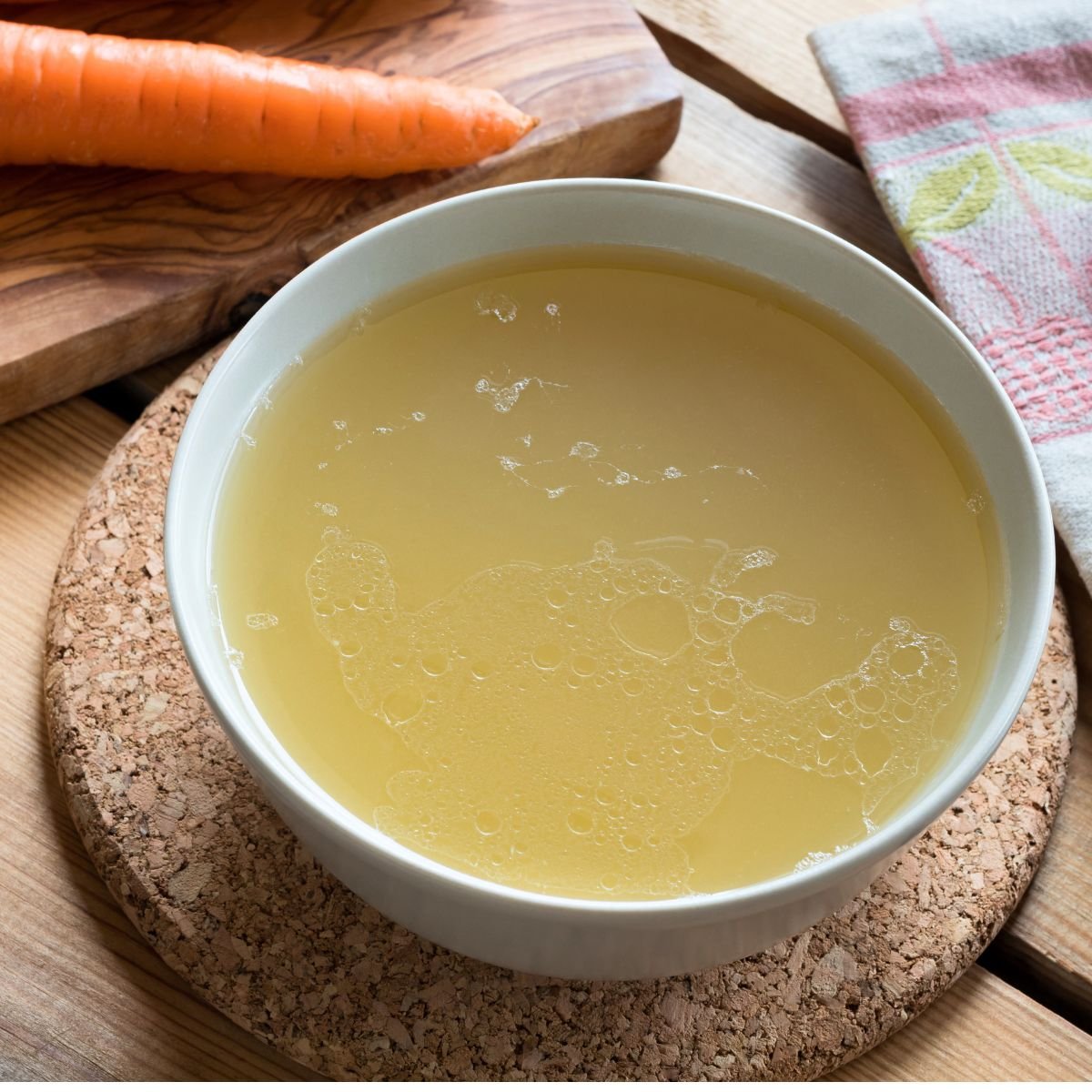
Homemade Chicken Broth
Good to sip on plain or use as a base for your soups
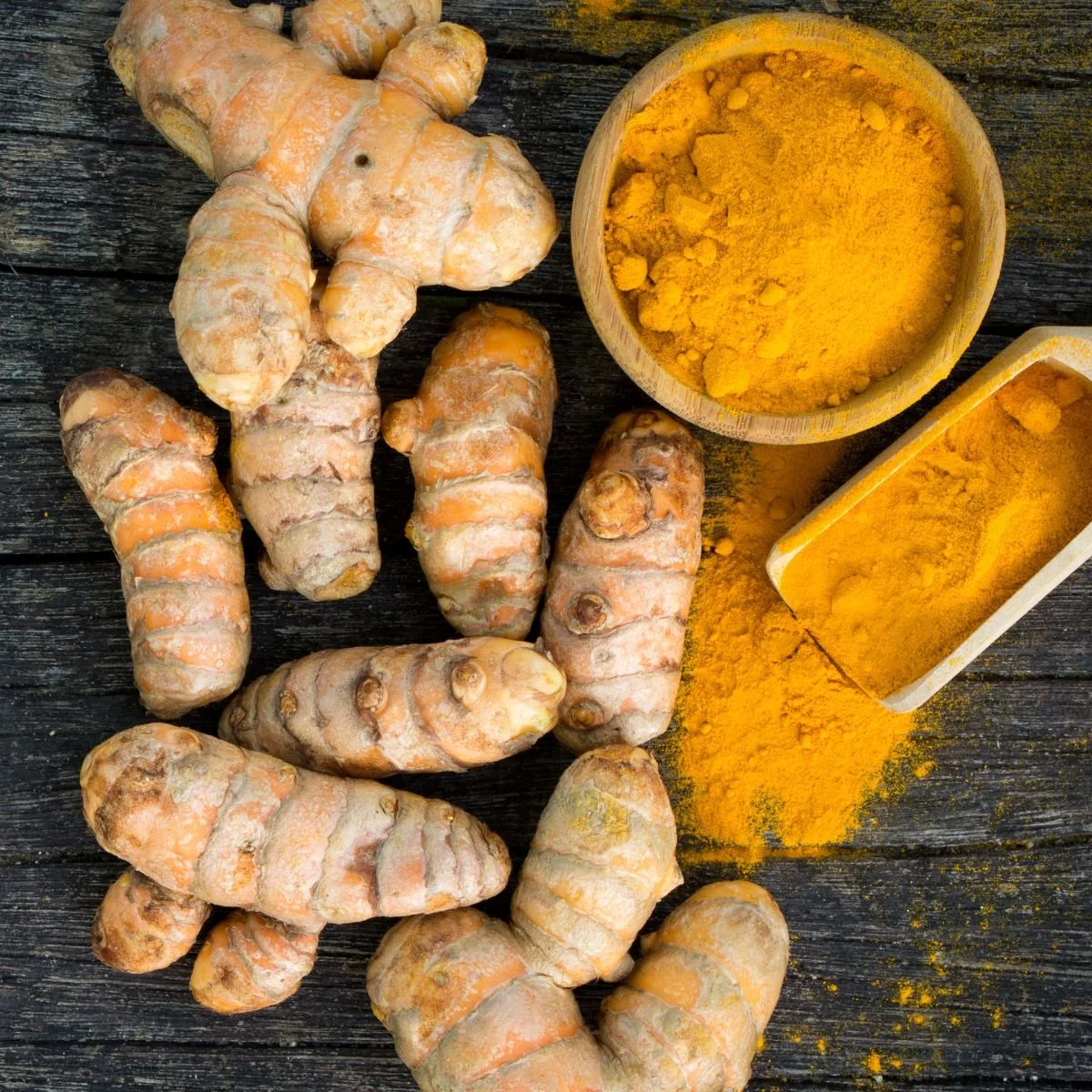
How to Cook With Turmeric
How to use the fresh root in your cooking