How to Cook with Turmeric
Turmeric is a popular healing spice especially in India, and it shows up in a lot of their cooking. Here in the states most people know about turmeric in supplement form, but we very rarely cook with the fresh version. Turmeric not only adds a beautiful golden color to food and drink, but it’s a potent anti-inflammatory as well. If you’re experiencing spring allergy troubles or a seasonal cold, consider adding turmeric to your diet. It’ll help calm your inflamed sinuses and speed your recovery time! There are many health benefits of turmeric which I will cover below along with tasty recipes to add to your rotation, especially when you need a little healing boost.
Healing Properties of Turmeric
Curcumin is the naturally-occurring chemical compound that’s responsible for turmeric’s anti-inflammatory benefits. It happens to be a great pain reliever too. Some people take turmeric or isolated curcumin as a supplement, but I prefer to add it into my cooking instead of taking it as a pill. Supplements are incredibly useful when you need a larger healing dose that you cant get through food, but the powdered form is lacking certain essential properties.
Turmeric is known for it's anti-inflammatory, antibacterial, and antifungal properties. That's why it shows up in all the liquid "gut shots" or "flu shots" at the health food store. It's debatable though, whether we can actually absorb those healing properties when taking turmeric in large doses in a supplement, but studies are still being done. You can read more about the healing properties of curcumin here.
How to Cook With Fresh Turmeric
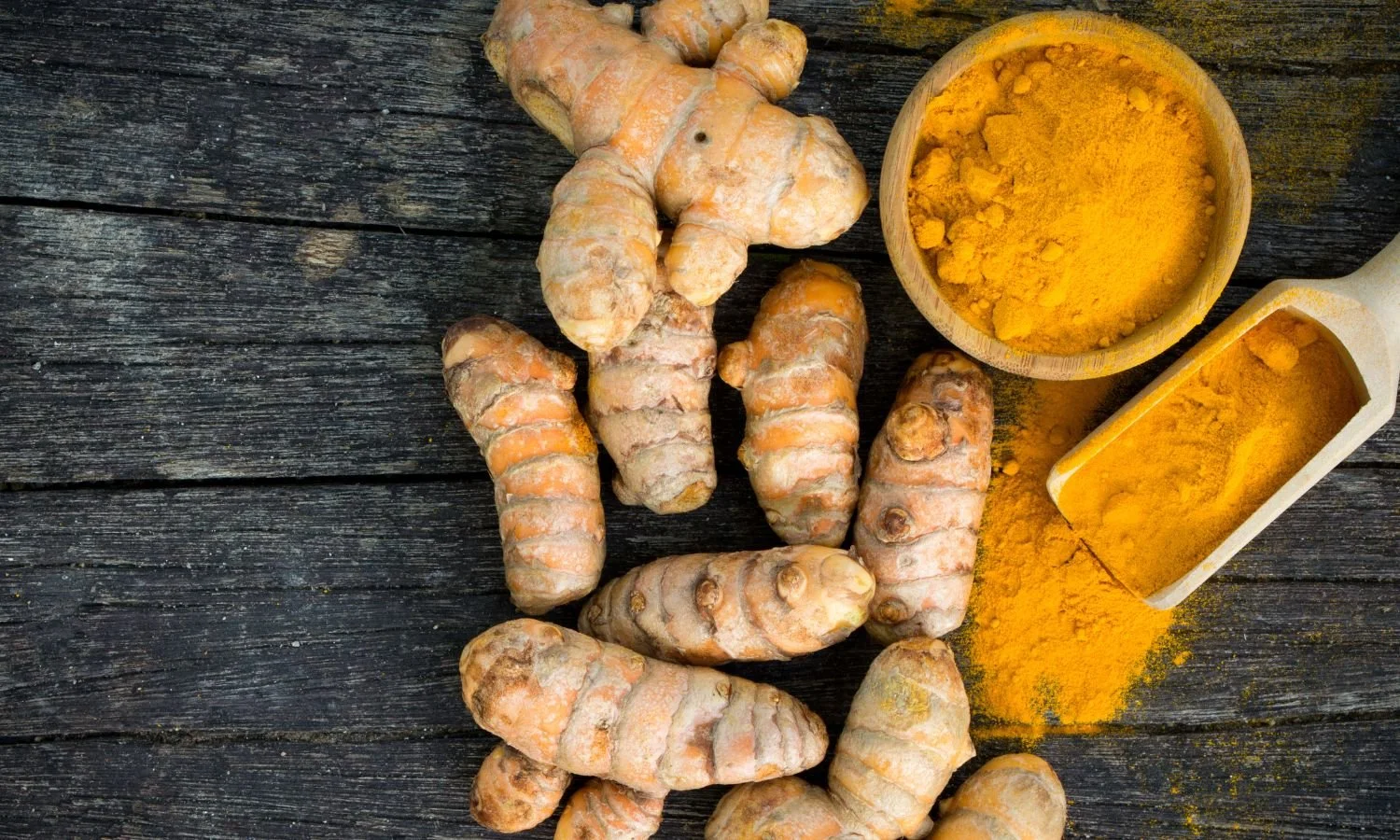
The turmeric root looks just like ginger and is usually found right next to ginger in the produce section. It is a knobby root, light brown in color and bright yellow inside. It smells earthy and tastes a bit peppery when raw.
You can buy a couple pieces of it and keep it in a bowl on the kitchen counter or put it into the freezer like my Mom used to do with ginger. Then you have it whenever you want to grate a little bit into a recipe.
To cook with fresh turmeric:
First peel the skin with a small knife or with the edge of a spoon. It is thin, so it comes off pretty easily. Trim the hard edges with a knife.
Anytime a recipe calls for powdered, you can grate fresh turmeric using a microplane like this one, or the smallest hole on your grater.
Use 3x the amount of fresh, grated turmeric than what is called for. If a recipe calls for 1 teaspoon of powdered, you can use 3 teaspoons fresh.
Always add it when you are sauteing the aromatics in your recipe. If you are browning a protein, or sauteing onions or garlic, add the fresh turmeric in then. Mixing it with heat and oil helps to activate the turmeric and “bloom” or open up the flavor.
This is a good time to grind some fresh pepper in too. Pepper helps to activate the curcumin inside the turmeric.
Ways you can incorporate fresh turmeric
Grate a little into any stew you are making. Add about a teaspoon when you are sauteing the onions or garlic.
Add it to your smoothie. Start with a very small amount, maybe one pass on your microplane as it does have a strong flavor when not cooked.
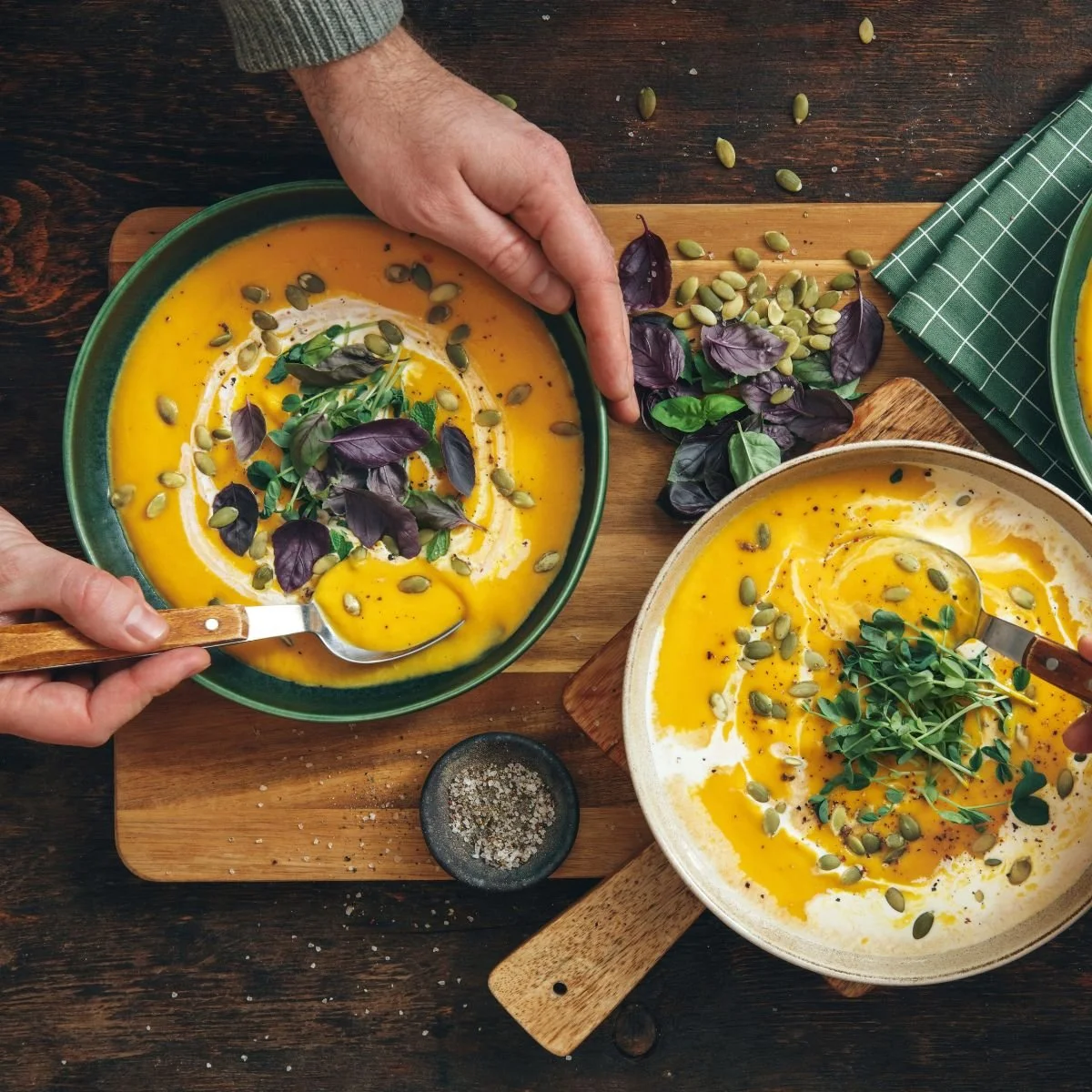
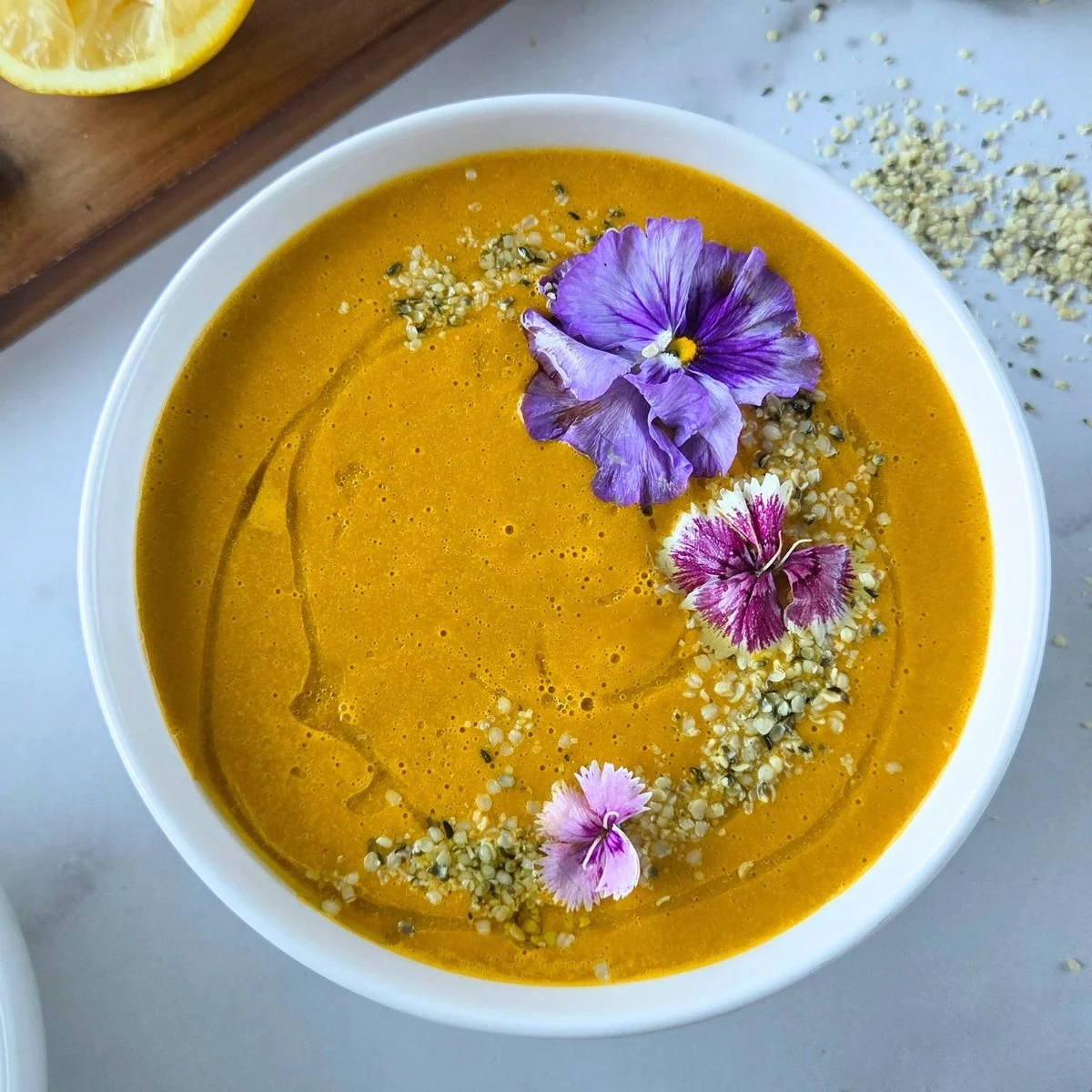
Add it to your soups. Same as stews above, grate some in when you are sauteing the vegetables. I always grate fresh turmeric into my soup recipes. I am enjoying a golden chicken soup right now!
If you can’t find it at the grocery store don’t hesitate to use the ground version. Just don't leave bottles of the powdered spice in your cupboard for years, as it will get stale. If you are going to try out the latte recipes, begin with half the amount of turmeric and then give it a taste. It can have a strong flavor if you aren't used to it. The more you use the spice, the more you will enjoy it! I love using it in my scrambled tofu dishes, but just enough to add color and not too much flavor.
Recipes Using Fresh Turmeric
Curry Dishes
Curry paste: All curries get their golden color from turmeric. I like to prepare this amazing make-ahead curry paste and stash it in the fridge for quick weeknight meals. Heat a couple of tablespoons of the paste with canned coconut milk on the stove until dissolved, then add it to lightly steamed or sautéed veggies, rice and protein for a complete meal. She has powdered turmeric in her recipe, which you can swap for a 1-inch piece fresh turmeric. Just roast it along with the ginger.
As a Creamy Hot Beverage
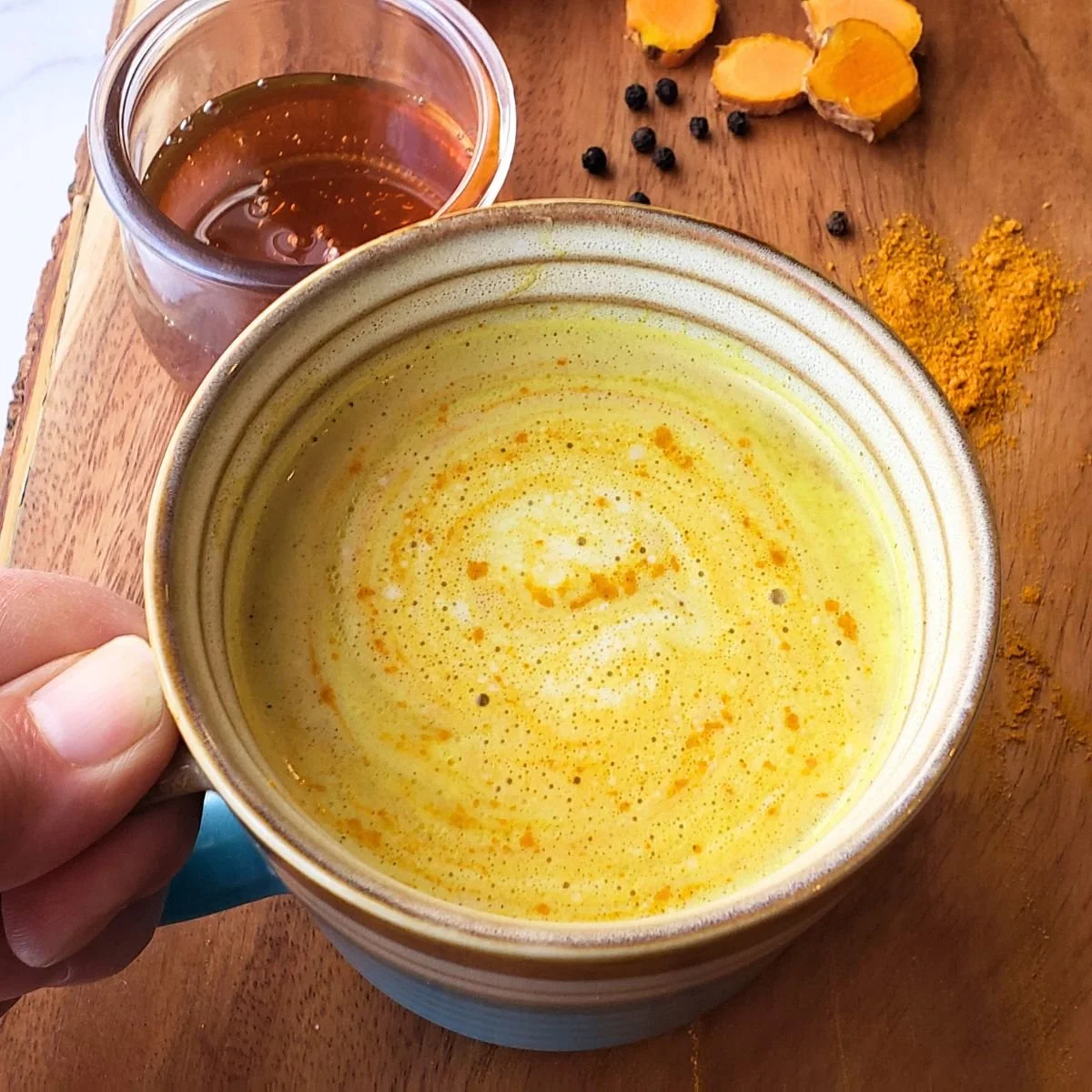
A Turmeric Latte also known as "Golden Milk": Makes for a great coffee replacer or something to sip before bed in the winter. Most recipes include turmeric, your milk of choice (I prefer a mix of coconut and almond) and a drizzle of natural sweetener like honey or maple syrup. For an extra warming effect, and to really BOOST the healing properties of the curcumin, most recipes will add a tiny sprinkle of black pepper and cinnamon.
Enjoy as a Main Course in Soups and Stews
Chickpea Pancakes - these gluten free pancakes are made with chickpea flour, cumin, coconut milk and fresh turmeric.
Creamy Turmeric Chicken Skillet - This recipe is oh so creamy and satisfying. You can sub out the butter and cream for non-dairy versions.
Turmeric Chicken Stew: This creamy stew recipe is dairy free and uses fresh turmeric root instead of the powdered, which I really like because it is fresher and contains the natural oils and moisture that should be in the root.
And when you get really motivated to increase your turmeric game, Bon Appetit put together this: "37 Turmeric Recipes for Vegetables, Meats, and More".
Common Questions about Cooking With Turmeric
Q: Is it ok to use powdered turmeric if I can't find it fresh?
A: Yes! While the fresh version will have the most healing benefits, you are still going to benefit from using this spice in whatever form you can find it in. Just keep it in a dark, cool cabinet, and replace it about once a year.
Q: Will it stain my counter?
A: Yes, turmeric does stain very easily, as I frequently have yellow fingers when slicing or grating it. Make a paste from 1 tablespoon baking soda and a little water and scrub your counter with it. That should remove any stains.
Q: Why do recipes have black pepper in them?
A: Black pepper helps to make the curcumin, the active component in turmeric, more actively available to your body to absorb.