
How To Tame Bitter Vegetables
There is a wide variety of vegetables most people don’t eat because they are bitter and strong tasting. But these vegetables contain lots of nutrients that are really good for us. I'll show you how to make those taste better so they end up on your plate more.
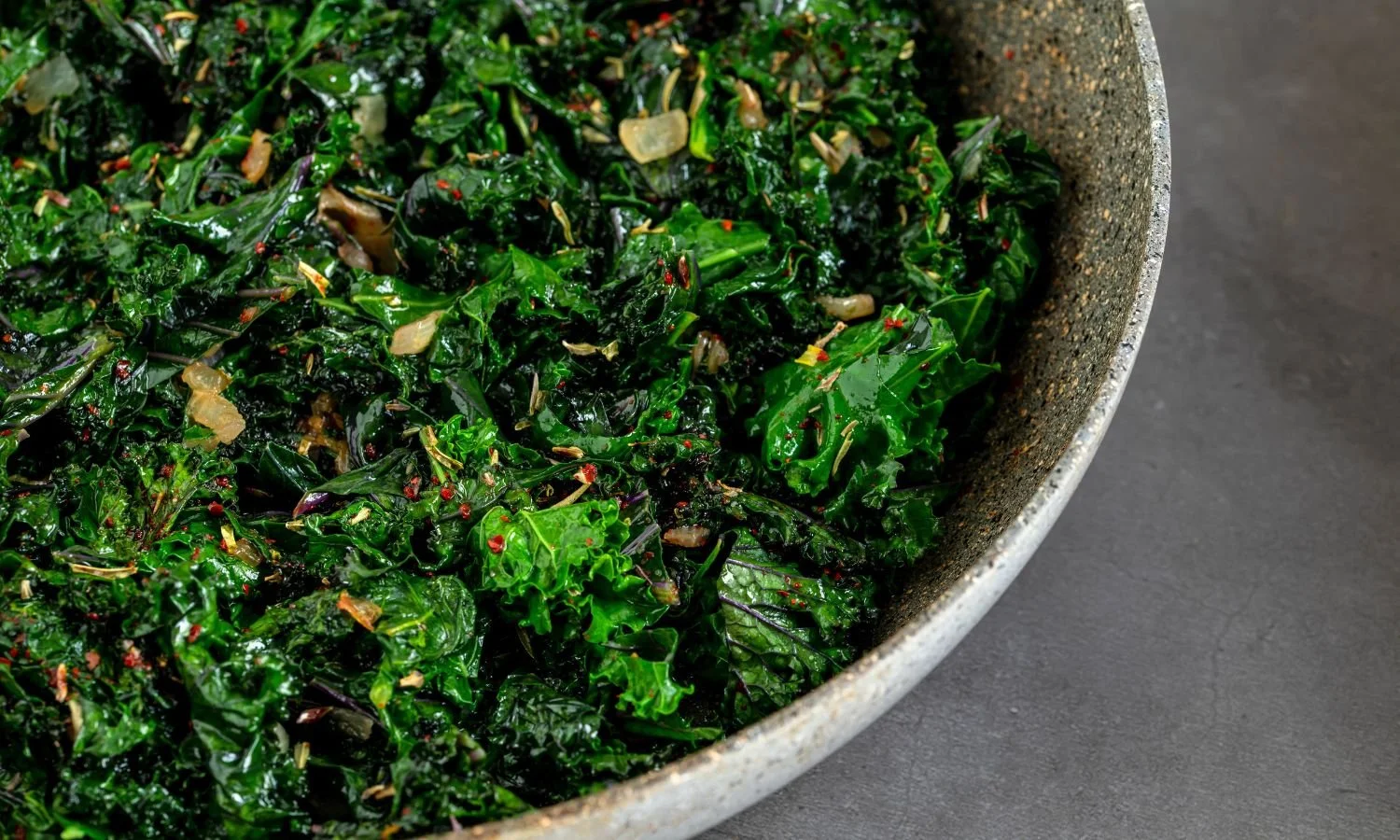
Stuck in a rut with your vegetables?
There are many vegetables that taste more bitter than others and they are the ones we tend not to cook at home. So we end up making the same four vegetables week after week. But we are missing out on the variety of flavors and nutrients of all those other vegetables. I create a entire cooking demonstration on this topic to show people how to lessen the bitterness of those vegetables that are so good for us. Paired with the right ingredients or cooking method, these strongly flavored greens can offer a softer side, full of mellow richness.
Here are the ways to tame those bitter greens so you can add them into your diet and actually enjoy them!
What are the Bitter Vegetables
Our leafy green vegetables that need a little extra cooking to remove their bitterness and sometimes improve the texture are:
Collard Greens
Kale
Swiss Chard (when its not in season)
Dandelion Greens
Mustard Greens
Broccoli rabe
Chicory
Turnip greens
Here are 7 Ways to Tame the Bite of Bitter Greens
1. Blanch First
Blanching is the technique of lightly cooking a vegetable in salted, boiling water, then straining and allowing to cool quickly. Blanching those bitter vegetables first, and not adding them into your soup or stir fry raw will greatly improve their flavor. This cooking technique takes some of the bitterness out of hardier vegetables like dark leafy greens and greatly improves their flavor.
I have a whole post about how to blanch broccoli. The steps are the same for greens. Just submerge the greens in the boiling, salted water and give it a taste after about 30 seconds.
2. Saute’ with Fat and Stronger Savory Flavors
There is a reason why brussels sprouts are frequently served with bacon or deep fried. The stronger flavors of bacon fat, garlic, sausage or even chopped nuts help to lessen the bitter flavor of brussels. Try adding some of these ingredients to the pan with your bitter vegetable:
caramelized onions
chopped garlic
sausage or bacon
chopped nuts
3. Add Sweet
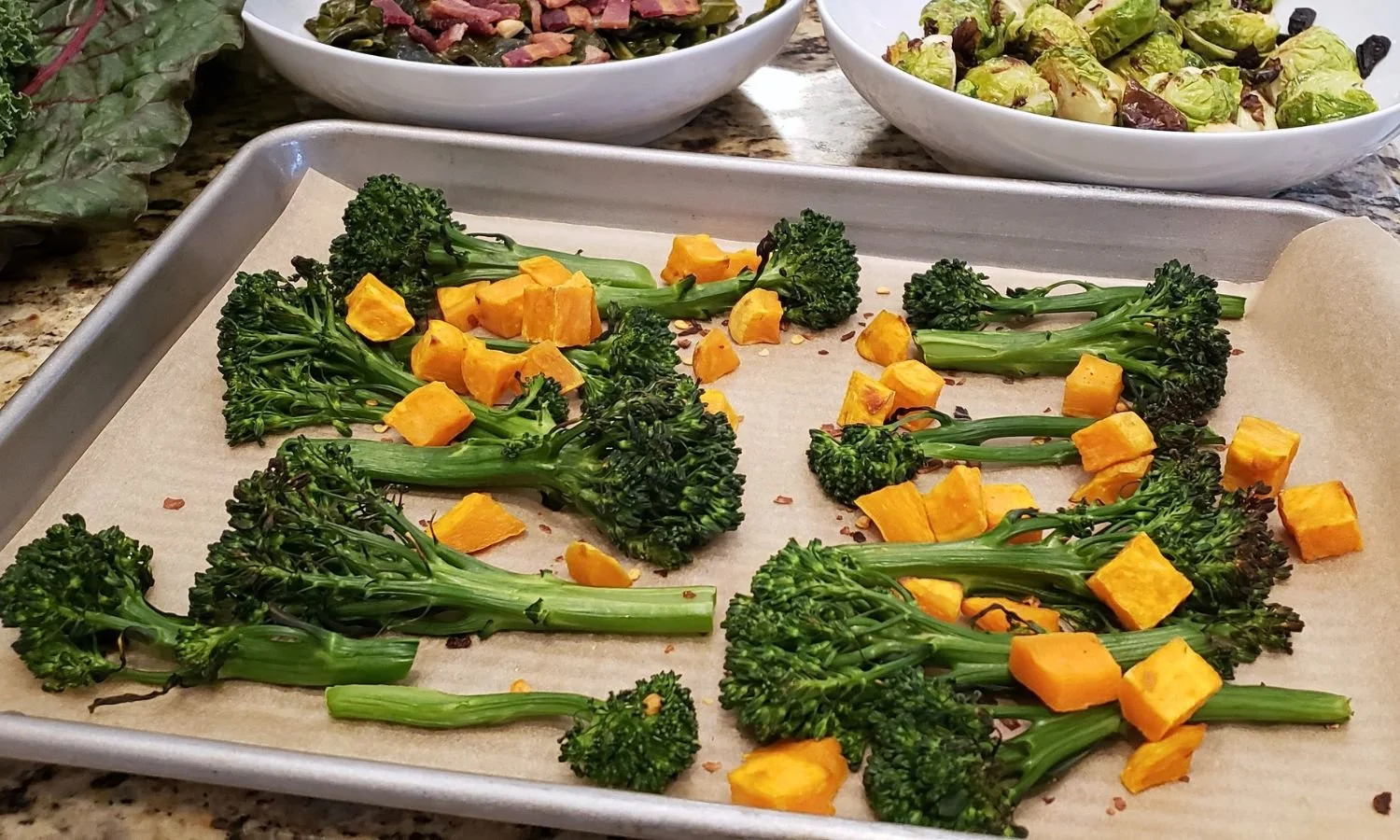
A sweet ingredient like chopped apples or currants, balances the bitterness and creates a more complex and pleasing flavor. Toss your blanched collard greens or broccoli rabe with sweet vegetables like butternut squash or roasted yams. Try adding some of these ingredients when you are sauteing your vegetables:
chopped dates
chopped and sauteed apples
roasted butternut squash or sweet potato
4. Add Spice
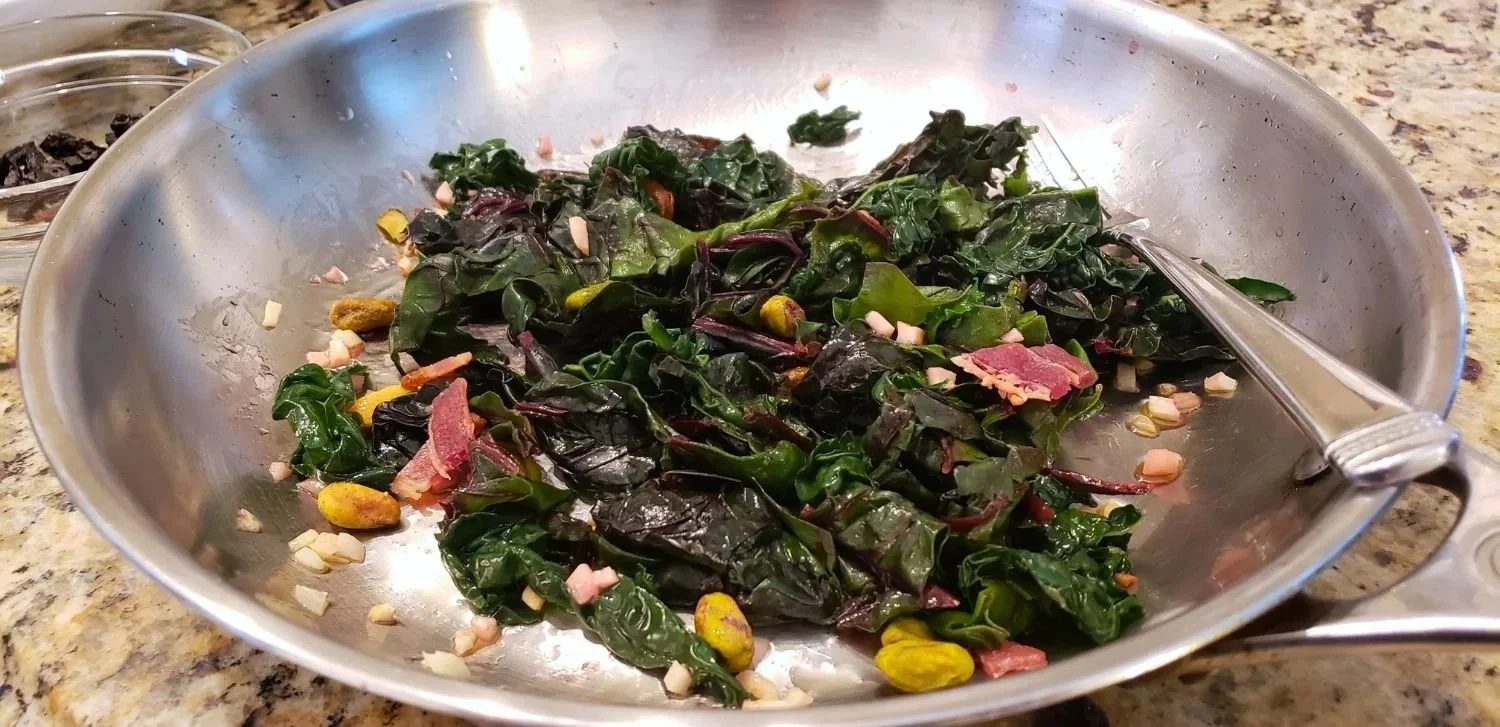
Sprinkle in chili flakes while cooking or hot sauce. The spiciness of red chili flakes or something hot also helps to balance out the bitterness of greens. Plus lots of people really like spicy food. Red chili flakes, minced garlic and some chopped pistachios are a great addition to sauteed swiss chard or mustard greens.
5. Acid Creates Balance
There is a reason why many recipes call for adding a squeeze of lemon juice at the end. It helps to round out the flavors and “brighten” it. Adding some acid, like vinegar or a squeeze of citrus, helps bitter greens as well. Salads made of bitter greens like arugula and endice usually are paired with a vinegar based salad dressing. Adding a splash of acid at the end of cooking some bitter greens will also help to improve the flavor. A splash of vinegar or lemon juice is great works great after you have braised, sauteed or massaged a bitter vegetable.
Here is the recipe for a Kale Salad that I make in my cooking demo. This recipe uses balsamic vinegar for the acid, and also some warmed currants to add sweet. This recipe also uses "massaging" the green to help with the bitterness as well which helps to soften the kale and make it easier to chew and digest.
A acidic ingredient is best used after you have cooked your vegetables. Try squeezing a little lemon over your vegetables just to see what happens to the flavor, or sprinkle with a little apple cider vinegar, see which one you like best.
6. Salt
Salt before eating: Some people swear by salting their salads! There is something about a really good quality salt, just a little, added to a bitter salad green that cuts the bitterness. We tested this out in class with Endives.
Try out a "finishing" salt like Maldon Sea Salt Flakes or Fleur De Sel, French Sea Salt. And a good quality salt to use in every day cooking is Real Salt, made right here in Utah.
7. Longer cooks
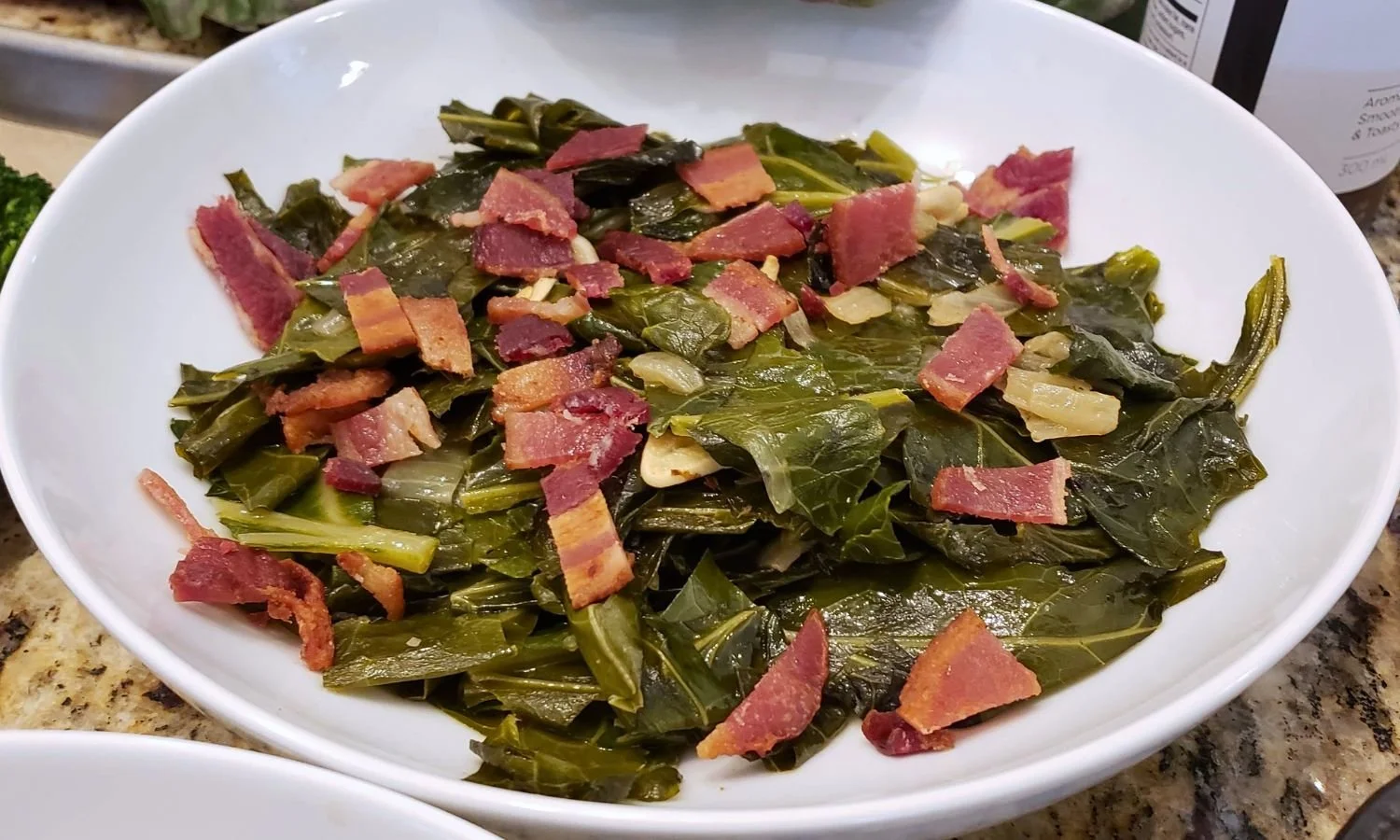
And then braising: Hearty greens like collards do really well when cooked long and slow like in southern cooking. There is a reason why traditional dishes like collard greens are simmered with a ham hock or smoked turkey leg. Collards can be very bitter and hard to eat. Long cooking methods with a little stock and smoked protein makes collards mellow and palatable.
Suggestions of Cooking Combinations to Use
Saute with some fat and a little sausage or bacon
Saute with onions and garlic
Saute with fruit, nuts and a splash of vinegar at the end
Blanch in boiling water - this helps to remove the bitterness and soften the greens, then saute with bacon and onions, etc.
Massage with oil (best with kale for salads and baked chips)
The collard greens above have been braised and then served with bacon and garlic
Try any and all of the suggestions I have outlined above and see which ones you like the best!
Other recipes you might like:
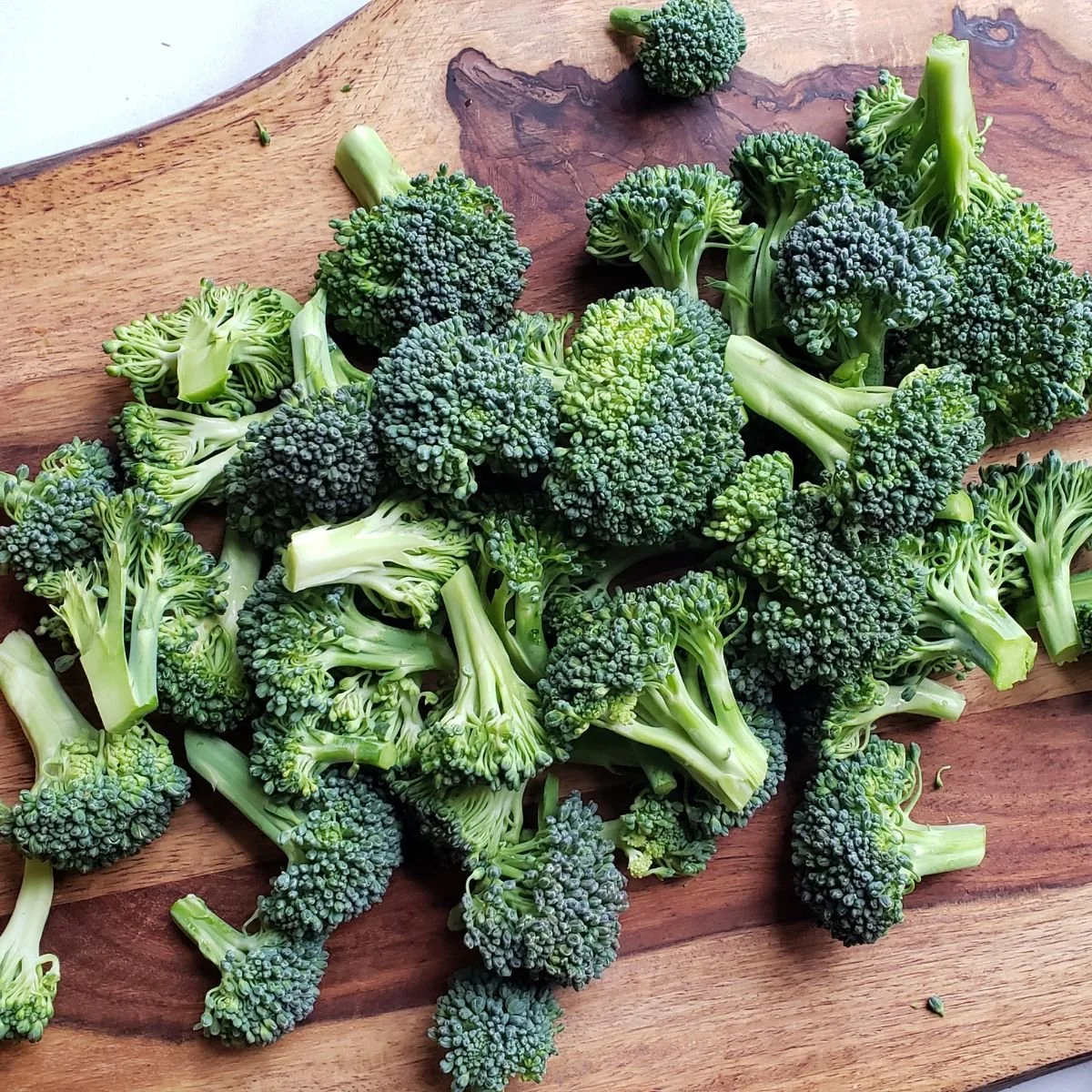
How to Blanch Broccoli
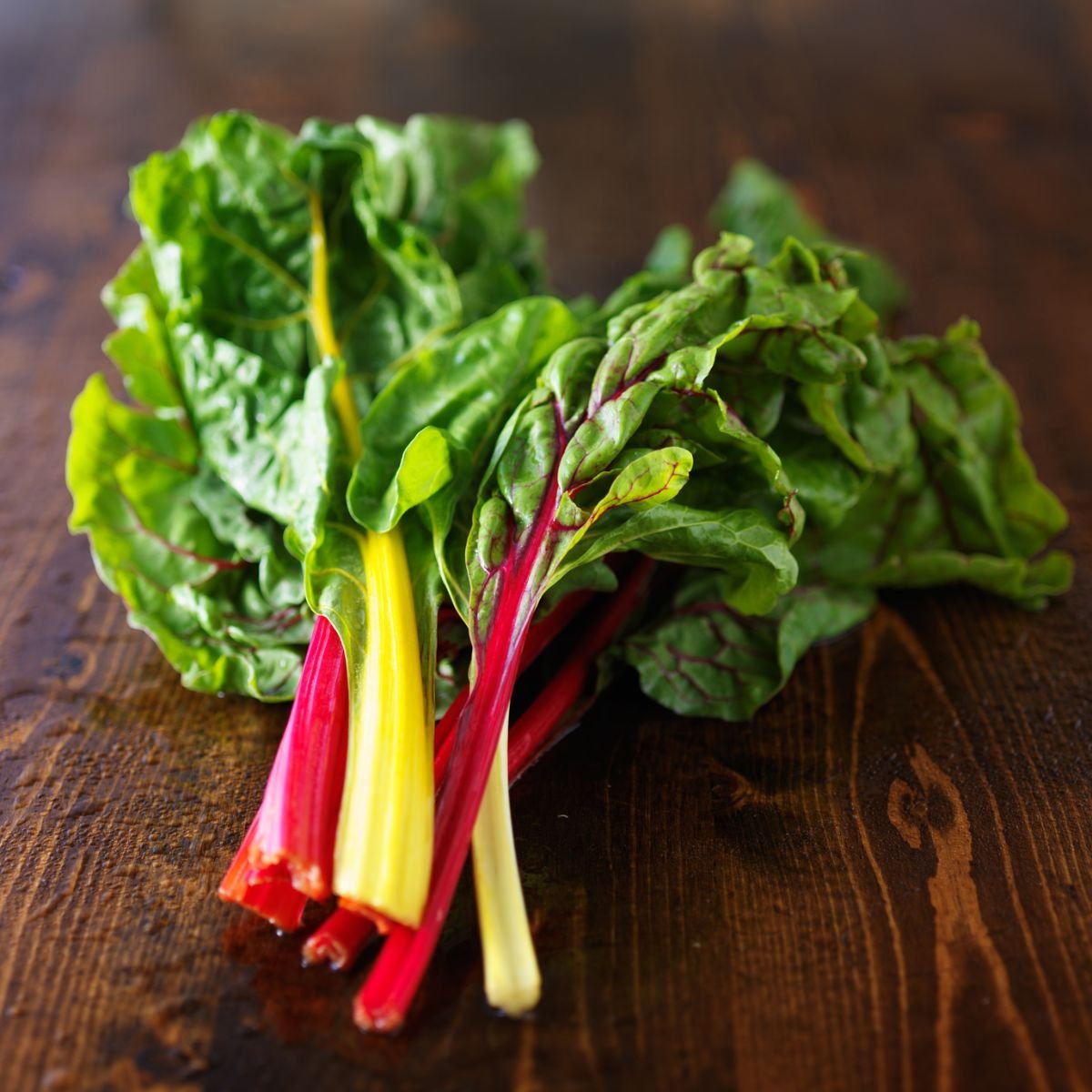
Guide to Dark Leafy Greens and How to Use Them
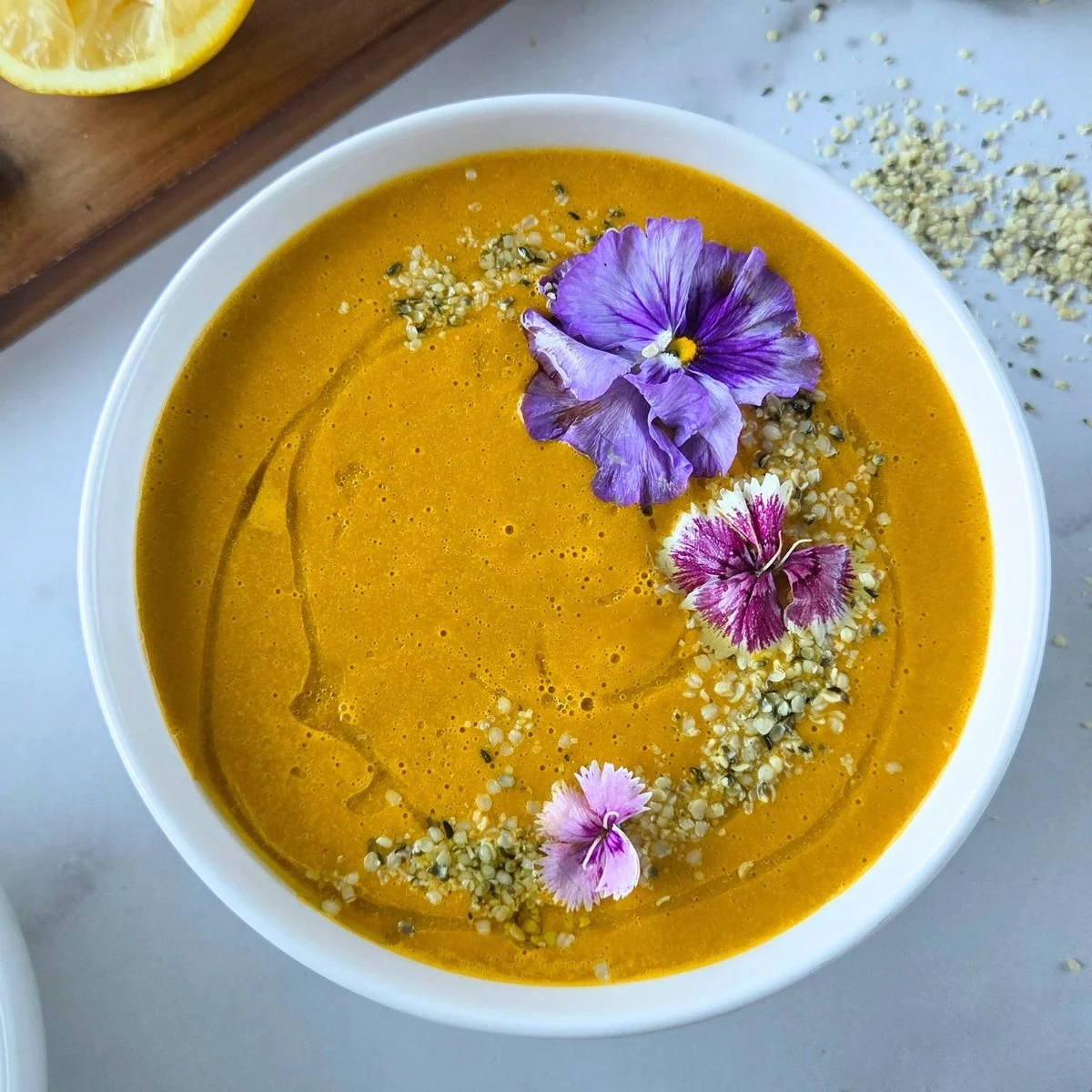
Lower Pain & Inflammation Through Food
**Please note, some of the links on this site are affiliate links. As an Amazon Associate I can earn from qualifying purchases, at no additional cost to you. All of the products on my site are actually used by me. I do not recommend anything that is not in my own kitchen and used in these recipes.