
How to Build Your Own Nutritious Buddha Bowl
Published Nov 12, 2018 | Last Updated May 17, 2026
A “Buddha Bowl” is a fun way to reference a really well designed salad! It has 5 main components: a whole grain base, a plant-based or animal protein, a medley of vegetables, a flavorful sauce, and garnishes. Making a Buddha Bowl is a great way to use up your favorite seasonal ingredients or farmers’ market extras, but are also fun to make by mixing and matching.
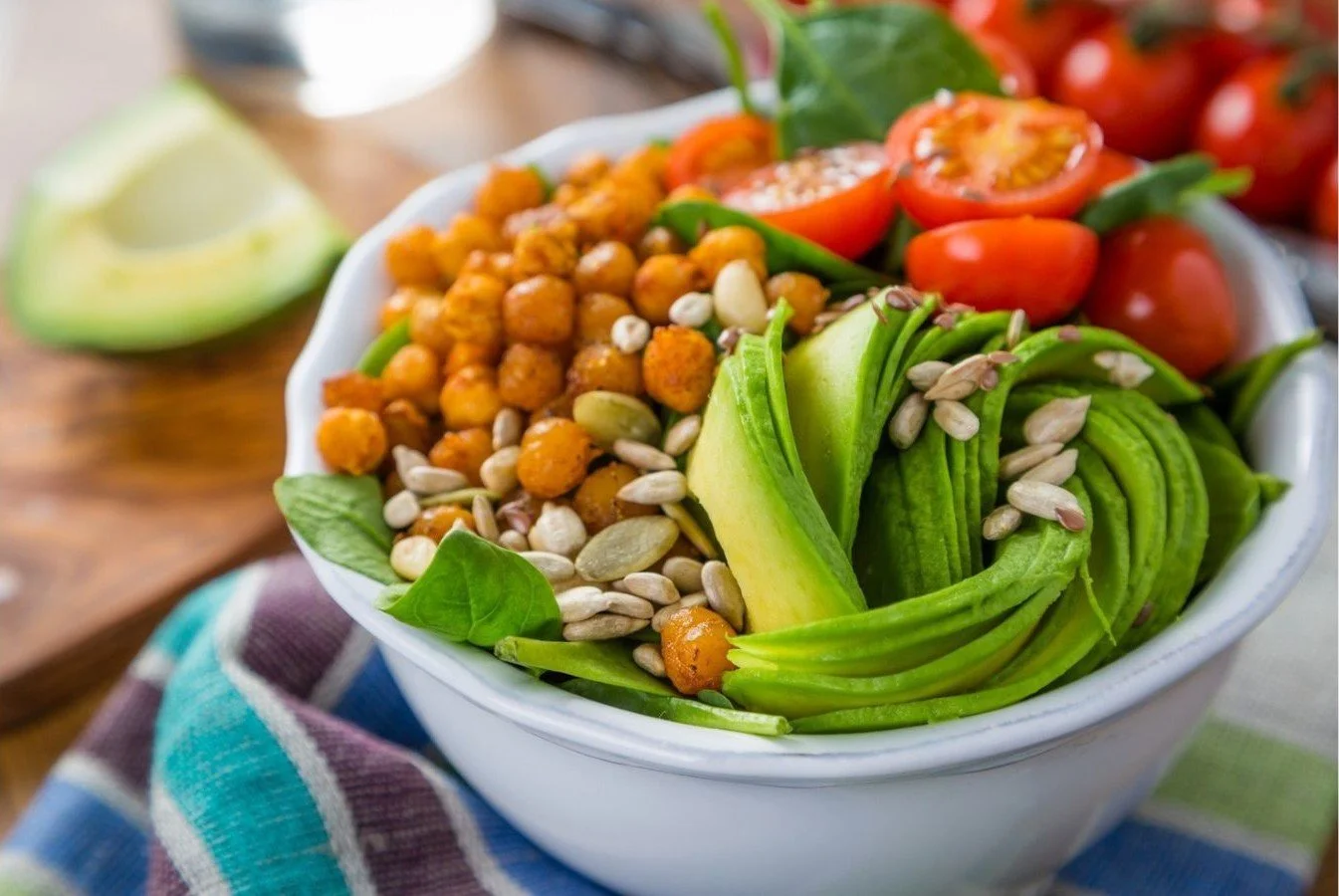
If you are looking for some inspiration for lunch or how to create something delicious out of leftovers, Buddha Bowls are a fun way to approach your meal. A Buddha Bowl is defined as “a bowl which is packed so full that it has a rounded "belly" appearance on the top much like the belly of a Buddha.”
These filling bowls full of fresh ingredients are one of my latest obsessions. Not only a great way to use up your favorite seasonal ingredients or leftovers from the week, they are also fun to make by mixing and matching. And now that Dr Oz has done a post about these bowls, they will definitely gain more popularity.
If you aren’t sure what this is, think of the meals at Aubergine Kitchen or Core Life Eatery. They have a great selection of bowls with all the variety that you wish you had when you cook at home. They all have a similar structure:
A base of grains like rice, quinoa or salad greens
Then add on some healthy proteins like grilled chicken, hummus, hard boiled eggs and so on
Lots of other veggies like grilled zucchini, steamed broccoli, shredded carrots
A delicious dressing
Crunchy toppings like sunflower seeds, tortilla strips, walnuts
When I make my own Bowls
I usually start with a starchy base, then layer on veggies and greens, topping it off with a dressing or garnish. These can be customized to your taste buds, AND what happens to be in your fridge right now. And they take almost no time to prepare. Whenever I have leftover veggies that I want to use while they’re still fresh, I just pile them onto a Buddha Bowl.
Best of all, the combination of vegetables and greens maximizes nutrition and makes this one of the easiest ways to eat healthy and get your recommended daily servings in. I’m also sure to include a protein source, so they’re hearty and satiating.
Customizing Your Bowl
To make your own, I suggest playing around with some different combinations and flavors; you really can’t go wrong. Below, I’ve put together a list of suggested ingredients for you to pick and choose from to create your own perfect meal.
Buddha bowls are the quintessential mix and match food. They're a perfect use for seasonal foods, leftovers, or whatever else you can find in your kitchen! There's no one "right" combination of ingredients that make a Buddha bowl, but there are some basic guidelines to follow. I've included suggested portions for each component of the bowl, as well as some of my favorite ingredients to include. Just choose a few ingredients from each section, mix them together in your bowl, and you're good to go. Keep in mind that the ingredients below are just suggestions – feel free to go freestyle if you'd prefer to add different ingredients in!
Base Grains - should be about 1/4 of the bowl
Sweet potatoes
Brown rice
Quinoa
Soba Noodles (buckwheat - if you can tolerate it)
Bean Threads (I love these Black Rice Noodles)
Or skip the grains and use a base of salad greens
Protein - about 1/4 of the bowl
Grass-fed Ground Beef
Grilled Chicken
Chickpeas
Black Beans
Baked Salmon
Vegetables (cooked or raw) - 1/2 of the bowl, any veg works but here are some suggestions:
Carrots
Sautéed onions
Steamed broccoli
Roasted beets
Shredded raw beets
Bell peppers
Sautéed mushrooms
Roasted cauliflower (my tutorial for how to roast is below)
Tomatoes
Cucumbers
Greens (steamed or sautéed):
Swiss chard
Kale
Collards
Cabbage
Spinach
Dressing - Make sure to add some FAT into your bowl for flavor and satiety
Olive oil & lemon juice
Tahini & fresh herbs
Dairy-free basil pesto (my recipe here!)
Hummus
Creamy avocado cilantro dressing (like this one or this one)
Carrot ginger dressing
Tamari and toasted sesame seed oil
Garnish:
Sauerkraut
Slivered almonds
Chopped walnuts
Sesame seeds
What makes a balanced bowl
Variety is where its at. You don’t have to just have one protein, in fact, I encourage you to mix up your protein sources, add chicken AND nuts and seeds and some garbanzo beans Multiple vegetables means you are getting lots of vitamins and minerals, textures and flavors. Here’s how to create balance and variety
Use multiple proteins - mix up animal and plant proteins, use chicken and garbanzo, steak and quinoa, salmon and walnuts
Fat = Flavor - fat is what keeps us full and adds flavor, use a good quality olive oil, high fat vegetables like avocado, and a hard boiled egg
Use something sour or acidic - a briny vegetable like pickles, sauerkraut or kimchi creates balance with more fatty ingredients
Let me know what you come up with! I’d love to see your creative combinations.Here are some great pictures of more bowl combinations to get you going, since we all start eating with our eyes. I especially like the "Moroccan Couscous, Chickpeas and Olives Bowl". I would just replace the couscous with quinoa to make it gluten free.
RECIPES YOU CAN ADD TO YOUR BUDDHA BOWL:
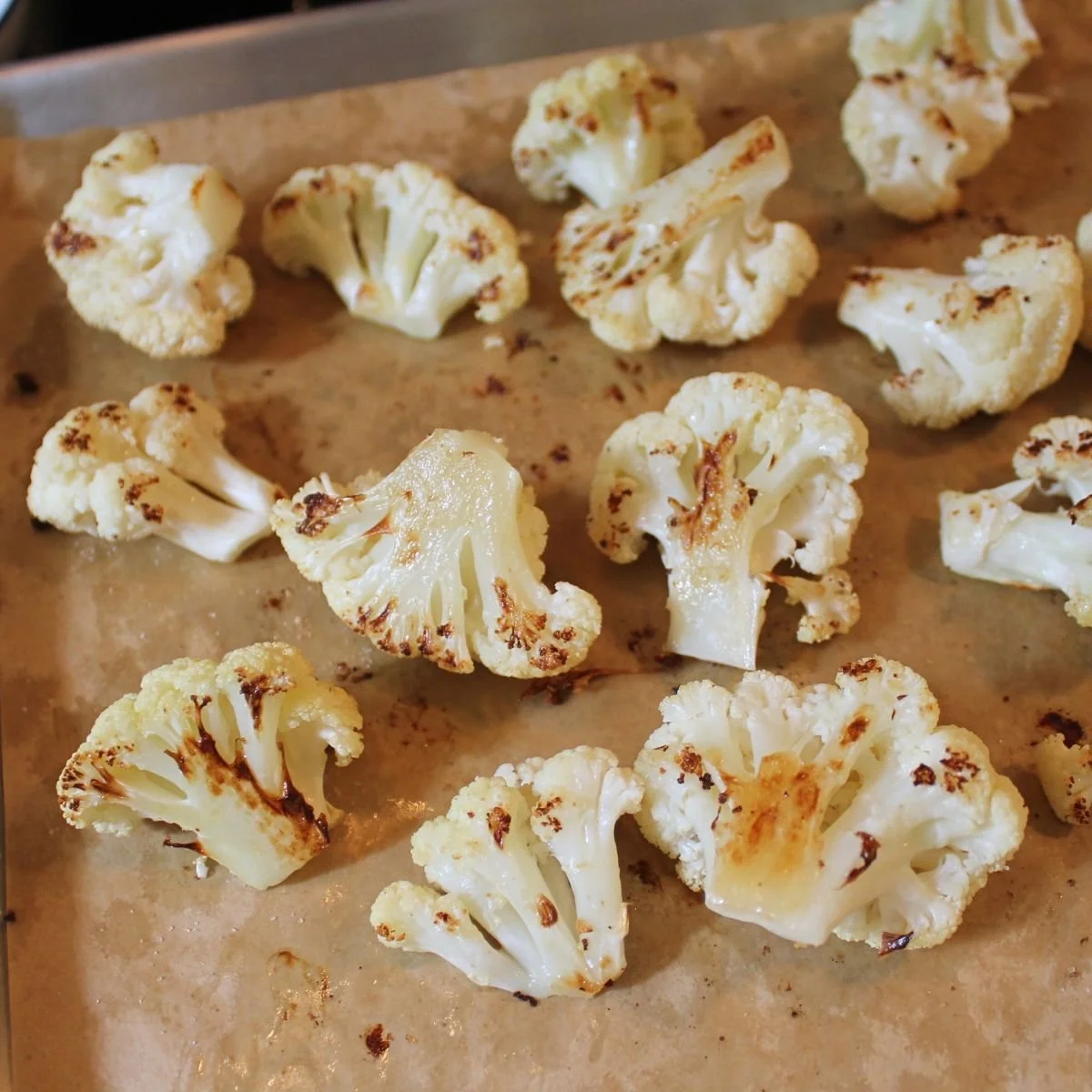
How to Roast Cauliflower
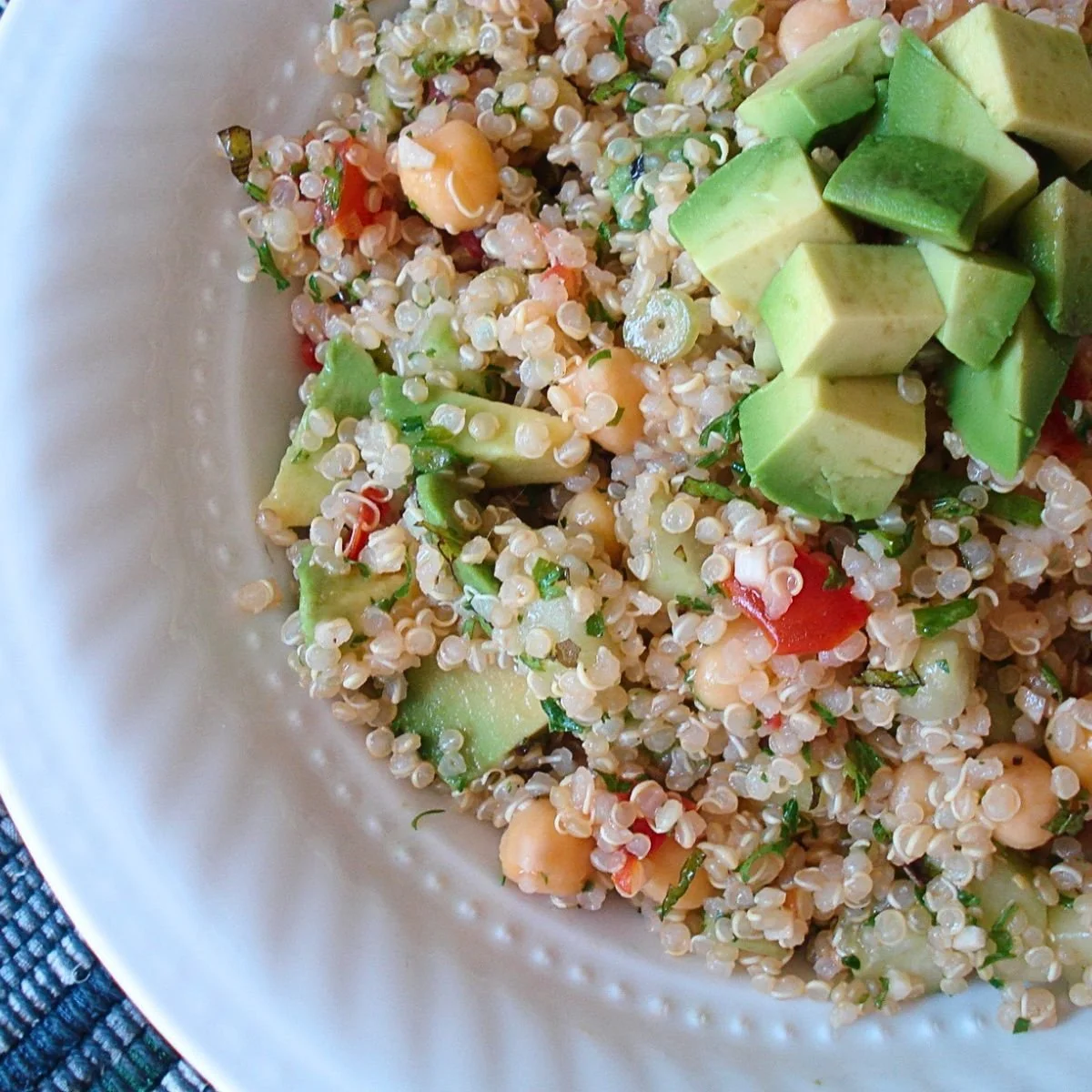
Mediterranean Quinoa Salad
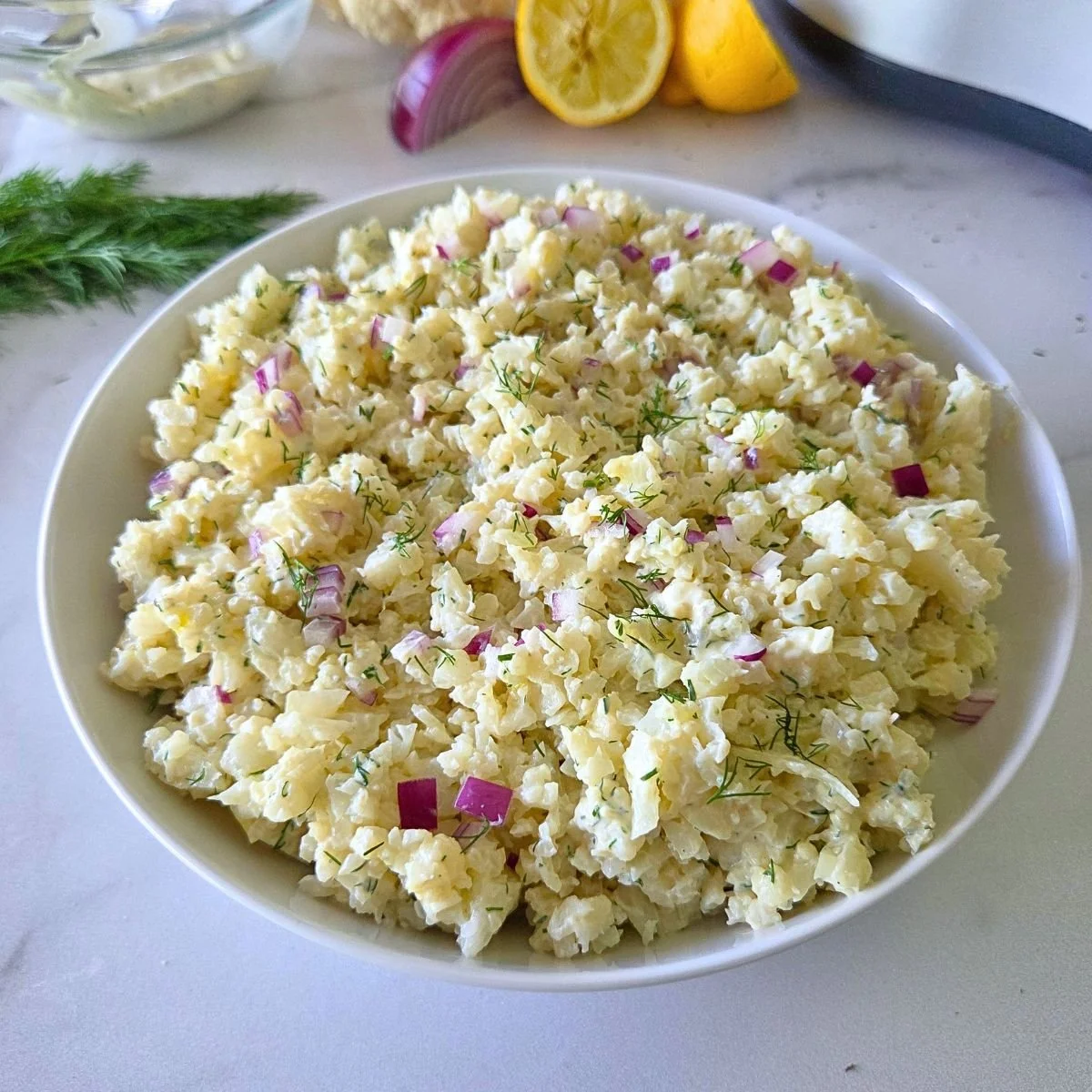
Cauliflower Salad with Dairy-Free Dill Dressing
*Please note, some of the links on this site are affiliate links. As an Amazon Associate I can earn from qualifying purchases, at no additional cost to you. All of the products on my site are actually used by me. I do not recommend anything that is not in my own kitchen.